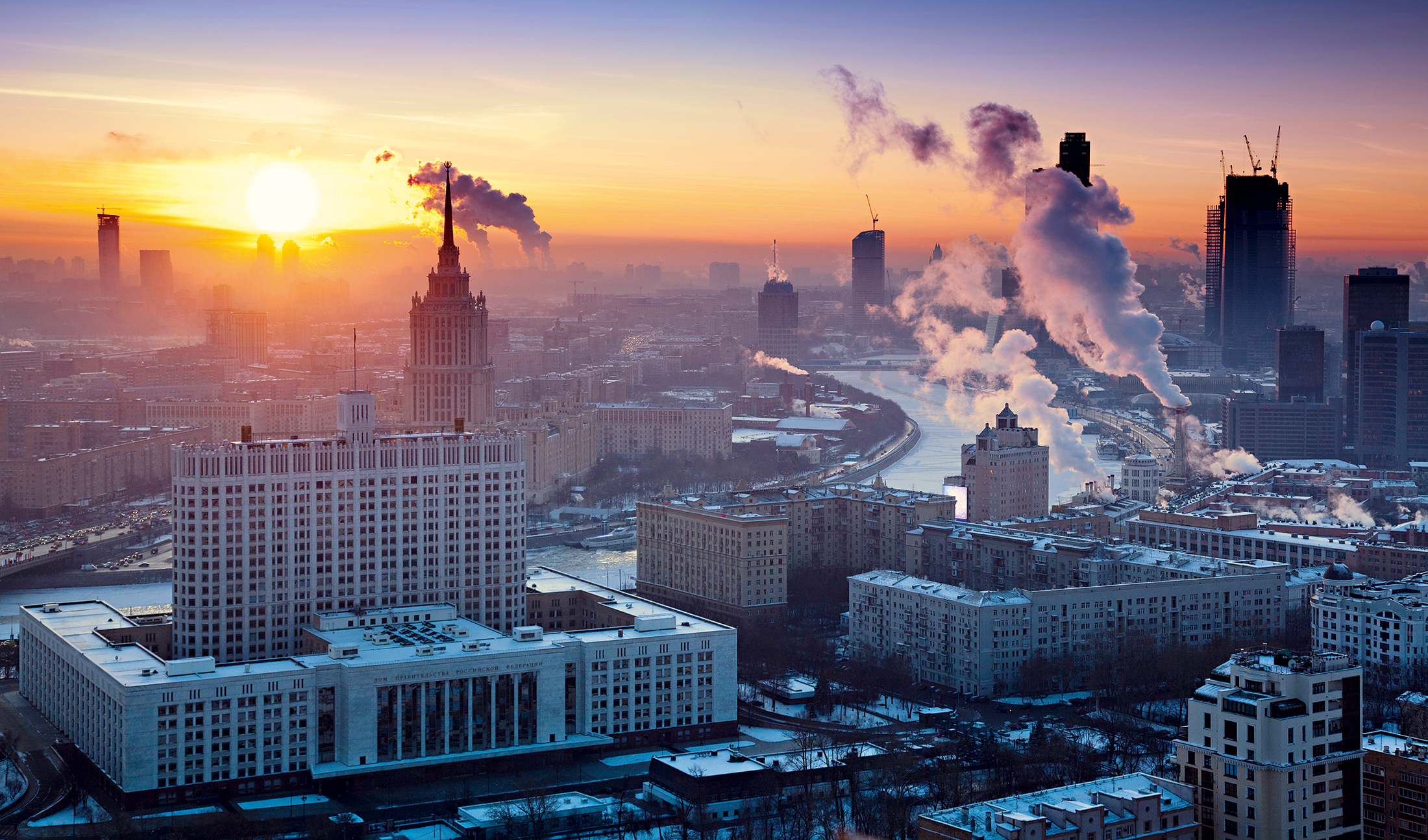
Vacation is not merely a improve of location—It's a modify of cognitive load. The psychological knowledge of traveling to a megacity differs essentially from traveling to a small town. Every single natural environment activates distinctive psychological states, psychological responses, and behavioral styles. I'm Gus Woltmann and I've traveled to around a hundred towns.
Megacities: Stimulation and Id Enlargement
Megacities for instance Tokyo, Ny city, and London run in a psychological depth that scaled-down environments not often tactic. Their defining aspect is density—don't just of people, but of options, signals, and identities. For tourists, this density provides heightened stimulation and a definite cognitive condition.
From a perceptual standpoint, megacities bombard the senses. Visual complexity—billboards, layered architecture, crowds—demands constant attention. Auditory enter not often stops. Movement is steady. This sensory saturation activates alertness and exploratory behavior. The Mind shifts into substantial-engagement mode, scanning for patterns and novelty.
Preference abundance amplifies this influence. Within a megacity, each and every choice branches into dozens extra: neighborhoods to examine, cuisines to sample, functions to attend. This multiplicity generates a sense of growth. Travelers normally report they really feel “larger” in major metropolitan areas—not bodily, but psychologically. The town offers authorization to experiment. One can undertake diverse designs, social roles, or day by day rhythms with small consequence since anonymity protects reinvention.
Anonymity is central to identification expansion. In wide populations, social surveillance weakens. Travelers can Mix into crowds, free of charge from expectation or familiarity. This generates a paradoxical freedom: invisibility allows self-expression. You are able to be Daring, eccentric, ambitious, or introspective devoid of social penalty.
Nonetheless, stimulation carries prices. Constant decision-generating increases cognitive load. Navigating transit programs, evaluating security, filtering crowds—these responsibilities need psychological energy. Sound and group density can elevate tension responses, specifically for those unaccustomed to urban depth. The same setting that excites can also exhaust.
Megacities also distort time perception. Times feel compressed due to the fact ordeals stack swiftly. One afternoon may incorporate various neighborhoods, cuisines, and social interactions. Memory formation turns into episodic and vivid, anchored to novelty.
For numerous travelers, megacities signify probability. They symbolize ambition, creative imagination, and motion. Psychologically, they function as arenas for growth—Areas wherever individuals check identities, come across range, and experience the velocity of modern existence at entire scale.
In a very megacity, vacation becomes much less about rest and more about activation. It's not at all restoration that attracts persons in—but stimulation, and the promise of turning into temporarily greater than a single’s program self.
Modest Cities: Restoration and Social Coherence
Compact cities present you with a psychological ecosystem essentially distinctive from that of megacities. Where large city facilities encourage, smaller cities regulate. Their defining qualities—reduced density, slower tempo, and social familiarity—minimize cognitive load and advertise mental restoration.
In smaller settings, sensory enter is moderated. Streets are quieter, targeted visitors lighter, signage small. The Visible discipline is significantly less cluttered, and navigation demands fewer rapid conclusions. This reduction in environmental complexity lets the Mind to shift out of superior-notify method. Focus gets to be softer, more diffuse. Tourists typically explain sensation calmer within several hours of arrival.
Predictability plays a central function. In small cities, everyday rhythms are legible. Shops open up and close at constant situations. Community spaces provide obvious functions. Social interactions tend to be more structured and sometimes recurring. This coherence lowers uncertainty, which consequently minimizes stress. The head not really should repeatedly Assess threats or choices.
Social visibility also improvements the psychological landscape. As opposed to in megacities—where anonymity allows freedom—smaller towns make people today a lot more noticeable. Vacationers may face the identical shopkeeper various instances in each day. Eye Get hold of is more Repeated. Conversations get started more simply. Although this visibility can originally experience unpleasant, it generally fosters connection. Recognition replaces invisibility.
The setting alone regularly supports restoration. Smaller towns are sometimes nearer to all-natural landscapes—coastlines, forests, mountains—which even more enhance psychological recovery. Even though not rural, they have an inclination to integrate eco-friendly Place and open up skies in methods megacities are not able to.
Time notion shifts significantly. With out consistent novelty or urgency, several hours extend. Actions unfold sequentially as an alternative to at the same time. A early morning coffee, a walk, plus a discussion can determine a complete day. Memory formation gets a lot less fragmented and more emotionally coherent.
For travelers going through burnout, modest cities present cognitive aid. Decision-creating narrows to straightforward alternatives. Motion slows to strolling speed. The emphasis shifts from exploration to existence.
Psychologically, smaller cities deal the self inward. Rather then growing id as a result of experimentation, they reinforce stability and continuity. Travelers go away not overstimulated, but recalibrated—carrying a way of clarity that emerges only when exterior sounds subsides.
Time Notion and Memory
Journey reshapes not simply wherever we have been, but how we practical experience time. The size of the spot—megacity or modest town—immediately influences temporal perception and the way in which memories are encoded.
In megacities, time compresses. High stimulus density accelerates subjective encounter. A single working day in Ny city or Tokyo may well consist of many neighborhoods, cuisines, languages, and social encounters. The brain processes constant novelty, which increases attentional engagement but fragments working experience into swift episodes. Hrs truly feel brief whilst they are going on, still retrospectively the day feels dense and expansive simply because so much happened.
This paradox is tied to memory formation. Novelty strengthens encoding. The more distinctive functions packed into a time period, the richer the memory trace. Megacity journey usually produces vivid, scene-centered recollections—distinct intersections, subway rides, rooftop views—for the reason that Just about every surroundings differs sharply from the last.
Smaller towns build the other temporal distortion. Decreased stimulus density slows subjective time. Without the need of consistent novelty, interest broadens and deepens rather then scanning speedily. A morning stroll, a long food, or a recurring route through a village may well truly feel extended and unhurried.
Memory in these environments varieties around psychological continuity as opposed to episodic wide range. As an alternative to recalling many individual scenes, tourists don't forget ambiance—mild, tranquil streets, recurring faces. The encounter feels cohesive in lieu of fragmented. Days blur gently into each other, however depart at the rear of a powerful psychological imprint.
Routine also plays a job. In small towns, tourists often adopt uncomplicated daily rituals: precisely the same café, a similar walking path. Paradoxically, repetition can intensify attachment. Familiarity builds comfort and ease, and luxury enhances reflective consciousness.
In the long run, scale styles time perception. Megacities compress time by way of saturation; small towns stretch it by simplicity. Both generate meaningful Recollections, but as a result of various mechanisms—a single by depth and variation, the other by means of clarity and coherence.
Comprehension this distinction allows travelers anticipate how a location will truly feel. The concern is not simply where by to go, but how you want time itself to behave while you are there.
What Travelers Look for
The choice among a megacity and a small town is rarely random. Beneath logistical factors—Value, distance, climate—lies a psychological motive. Vacationers pick environments that align with inner states or compensate for them. In this particular feeling, vacation spot assortment features as emotional self-regulation.
Some travelers look for expansion. Megacities such as London or Tokyo assure multiplicity—of society, Delicacies, Occupations, identities. For individuals sensation constrained by schedule, big cities give symbolic and simple scale. The density of option results in a way of chance. Even brief visits can feel transformative, as if proximity to ambition or innovation briefly enlarges one particular’s very own possible.
Other people look for validation through immersion in world importance. Standing within a city regarded around the globe can make a feeling of participation in a little something much larger than oneself. The skyline, the crowds, the historic institutions—all reinforce a narrative of significance. For many, this affirms identification; for Other people, it offers contrast to daily life.
Conversely, vacationers going through cognitive exhaustion or psychological overload frequently gravitate towards more compact environments. A city like Reykjavik, however technically a capital, features compact scale and simple orientation. Smaller cities decrease final decision fatigue, lessen sensory input, and simplify social conversation. The charm lies not in enlargement, but in recalibration.
Some vacationers request anonymity; Other folks seek recognition. In click here megacities, anonymity lets experimentation with out consequence. In compact towns, recurring interactions foster familiarity and connection. The choice demonstrates tolerance for visibility. Individuals craving liberty could want invisibility in crowds; These craving belonging may well favor environments wherever faces recur.
There's also a rhythm-dependent motivation. Substantial-Electrical power folks may perhaps pursue stimulation and nightlife. Other folks may pursue sluggish mornings, extensive conversations, and nature-adjacent tranquil. The picked out atmosphere mirrors sought after tempo.
Importantly, these motivations change over time. A traveler within their twenties may well prioritize novelty and scale, while the identical particular person afterwards seeks depth and stillness. Burnout, life transitions, or Expert pressures can briefly change choice. Vacation results in being a diagnostic tool—revealing what a single at the moment lacks.
Finally, tourists are not selecting among spots just as much as concerning psychological states. Megacities offer activation, variety, and outward expansion. Little towns provide restoration, coherence, and inward target. Recognizing this distinction enables a lot more intentional travel organizing.
One of the most gratifying outings arise when place and psychological will need align. If they do, journey feels considerably less like escape—and a lot more like adjustment, restoring harmony among stimulation and simplicity.
What Travelers Look for
The choice involving a megacity and a little town is rarely random. Beneath logistical considerations—Price tag, length, weather conditions—lies a psychological motive. Vacationers pick environments that align with inner states or compensate for them. Within this perception, place collection features as emotional self-regulation.
Some tourists find growth. Megacities like London or Tokyo assure multiplicity—of lifestyle, cuisine, careers, identities. For people sensation constrained by routine, significant metropolitan areas supply symbolic and practical scale. The density of option generates a sense of risk. Even limited visits can really feel transformative, as if proximity to ambition or innovation briefly enlarges 1’s have likely.
Other individuals seek validation by immersion in worldwide importance. Standing in the city identified globally can deliver a feeling of participation in something more substantial than oneself. The skyline, the crowds, the historic institutions—all reinforce a narrative of worth. For some, this affirms identification; for Other people, it offers contrast to lifestyle.
Conversely, tourists going through cognitive exhaustion or emotional overload generally gravitate toward more compact environments. A city like Reykjavik, even though technically a cash, provides compact scale and straightforward orientation. Smaller towns cut down selection exhaustion, lower sensory input, and simplify social conversation. The appeal lies not in growth, but in recalibration.
Some tourists seek anonymity; Other folks request recognition. In megacities, anonymity enables experimentation devoid of consequence. In small towns, repeated interactions foster familiarity and relationship. The desire displays tolerance for visibility. All those craving liberty might desire invisibility in crowds; Those people craving belonging might desire environments wherever faces recur.
There is also a rhythm-primarily based enthusiasm. Superior-Power folks may possibly go after stimulation and nightlife. Many others may pursue slow mornings, extended discussions, and character-adjacent tranquil. The picked out environment mirrors preferred tempo.
Escapism vs. Integration
Yet another psychological dimension is whether a traveler seeks escape or integration. Megacities usually facilitate escape: they overwhelm current identification constructions and offer you momentary reinvention. You can phase exterior Qualified roles or social anticipations with relative simplicity. The setting supports fragmentation and experimentation.
Smaller cities, In contrast, are inclined to stimulate integration. Their slower speed and repeated interactions advertise reflection. Travelers might confront thoughts or emotions that busy towns assistance suppress. Rather then getting anyone new, they reconnect with who they by now are.
Importantly, these motivations change after a while. A traveler could pursue stimulation in a single year of daily life and simplicity in One more. Burnout, ambition, grief, or celebration can all redirect preference.
Ultimately, tourists are certainly not deciding on among locations as much as concerning psychological states. When vacation spot and psychological require align, vacation feels purposeful in lieu of reactive—considerably less about escape, more about equilibrium.